
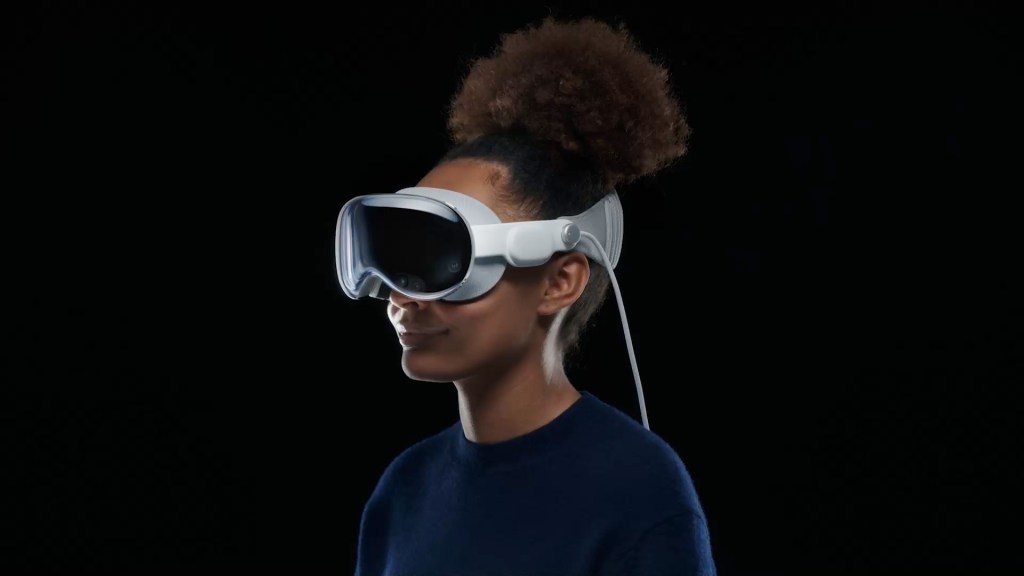
The advent of the iPad marked a transformative period in digital interaction, reshaping everything from media consumption to enterprise utility. Similarly, augmented reality (AR) glasses are poised to foster new applications and drive industrial use, potentially altering how we interact with the digital and physical worlds. This article explores the burgeoning influence of AR glasses, examining whether consumers and the B2C industry are ready for this next technological leap, much like the early days of the iPad.
Revolutionizing Industry Applications
AR glasses are not just a new gadget; they are a platform for innovation across various sectors. For instance, in manufacturing and engineering, companies like Microsoft with their HoloLens 2 have introduced capabilities that allow for complex collaborative tasks involving 3D modeling and real-time problem-solving across continents. In healthcare, AR glasses are being tested for use in surgeries, providing surgeons with layered digital information during procedures, which can enhance precision and outcomes.
The education sector also stands to benefit immensely. AR can bring immersive experiences directly into the classroom, making learning more interactive and engaging. Imagine students exploring the human body or historical sites through a three-dimensional view directly from their desks.
Fostering New Consumer Applications
On the consumer side, AR glasses like the Vuzix Blade 2 and TCL’s RayNeo X2 are introducing applications that blend daily life with enhanced data. From real-time navigation overlays and instant translation services to smart shopping with augmented showrooms, the possibilities are vast. These devices can also enhance social interactions, where people can share experiences and information visually and instantaneously, changing how we connect with each other.
Market Readiness: Consumer and Industry Perspectives
Is the Consumer Ready?
Consumer readiness hinges on several factors, including usability, affordability, and perceived value. Early smart devices like the iPad initially faced skepticism, but quickly became indispensable through intuitive interfaces and compelling applications. For AR glasses to achieve a similar trajectory, they must offer seamless integration into daily life without being obtrusive or overly complex. The design improvements in devices like Apple’s Vision Pro, which offers more natural interaction through spatial computing and audio, suggest that the technology is moving in the right direction.
Is the Industry Ready?
The industry’s readiness can be assessed through its willingness to invest in AR applications and the speed with which it adopts this technology. Retail, for instance, can leverage AR for virtual try-ons and in-store navigation, enhancing customer experience and potentially increasing sales. The real estate sector could offer virtual tours, allowing clients to visualize spaces without being physically present.
However, widespread adoption in the B2C sector will also depend on overcoming challenges such as data privacy concerns, the development of universal standards for AR content, and ensuring sufficient technological infrastructure, including high-speed internet access and cloud computing capabilities.
Benefits
The benefits of AR glasses extend beyond novelty, promising significant enhancements in productivity, learning, and leisure. They offer a blend of the digital and physical worlds that can lead to more informed decisions and richer experiences. For industries, the ability to overlay information can lead to greater efficiency and error reduction. For consumers, the integration of digital enhancements into everyday life can make complex information accessible and interactions more enriching.
Conclusion
Like the iPad before them, AR glasses have the potential to become a pivotal technology in both personal and professional realms. While challenges remain, the trajectory of AR technology points towards a future where digital information becomes a more integrated and actionable layer of our everyday reality. Whether for professional collaboration, consumer entertainment, or personal productivity, AR glasses could well be the next frontier in our digital evolution.
 www.insightify-consulting.com